Introduction: The Paradox of Wealth and Deprivation
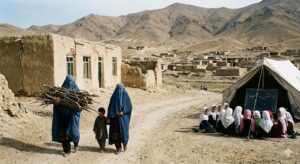
Afghanistan sits atop a sea of hidden treasures; a land whose towering mountains harbor billions of dollars in mineral wealth, particularly pure gold. However, in a geography where economic statistics speak of vast subterranean reserves, the reality on the ground tells a different story: empty tables and livelihoods buckling under the weight of poverty and unemployment. Amidst political-security shifts and unchecked population growth, poverty rates have surged, with UN research agencies reporting a staggering 70% poverty rate in the country. This stark contradiction between “national wealth” and “popular poverty” raises a vital question: Why has the gold of Badakhshan and Takhar failed to clear the dust of deprivation from the faces of surrounding villages? This article analyzes the link between gold mining and public livelihoods.
The Geography of Gold: Wealth in the Most Remote Regions
The primary hubs of Afghanistan’s gold mines are nestled in the heart of the mountains of Badakhshan and the riverbeds and valleys of Takhar and Baghlan. Additionally, reports indicate gold deposits mixed with copper in regions like Ghazni. These mines are extracted through two general methods:
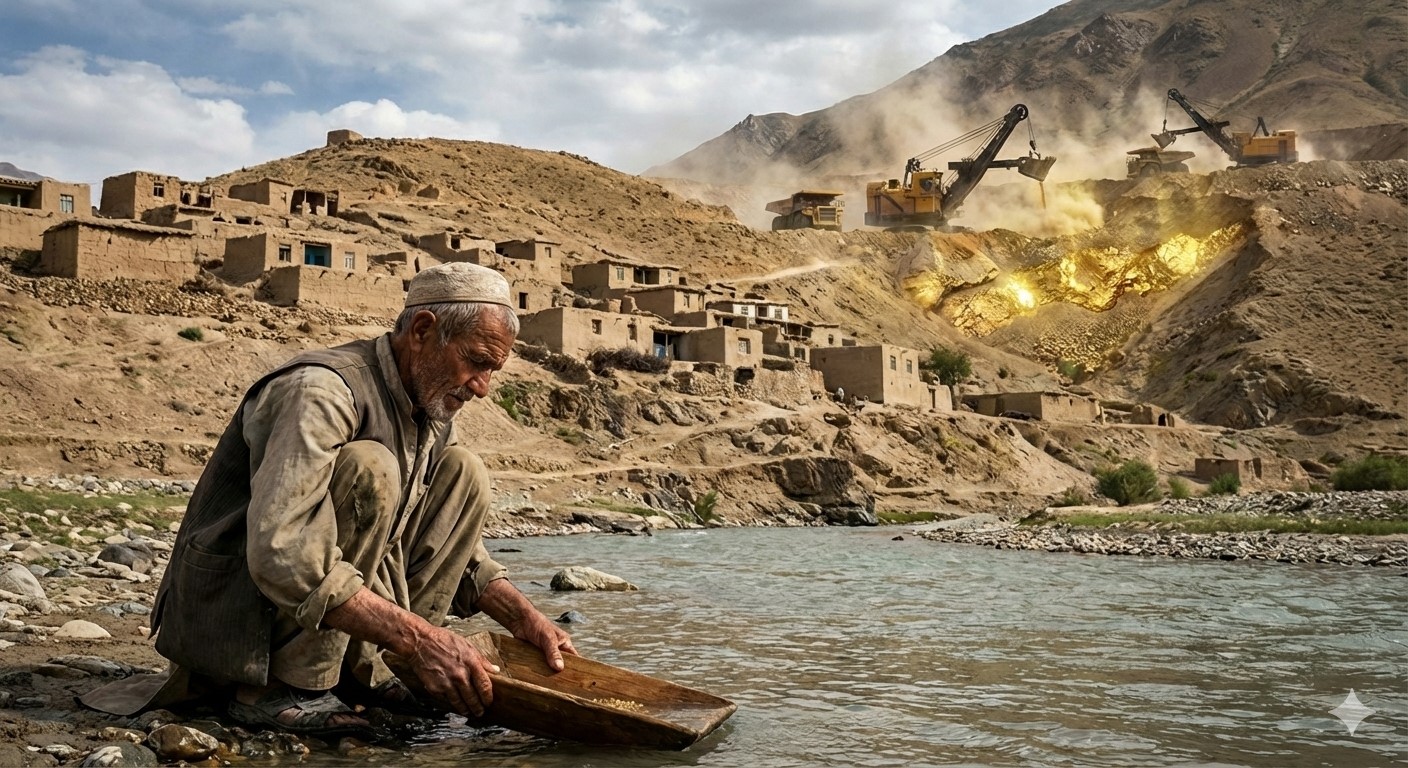
Traditional Method (Artisanal Gold Washing): Carried out by locals using primitive manual tools.
Industrial Method: Utilizing heavy machinery and modern extraction technologies.
From “Geological Resource” to “Liquid Wealth”
In 2010, the U.S. Geological Survey (USGS) estimated the total value of Afghanistan’s untapped mineral resources at between $1 to $3 trillion. Reports from 2026, considering the surge in global gold prices, value the country’s gold reserves between $20 to $50 billion. However, in mining economics, there is a vast difference between “Geological Resources” and “Economic Reserves.” Underground wealth only transforms into “cash in hand” when infrastructure, political stability, and extraction technology are in place.
Currently, the Taliban government focuses on “fast-return” and high-value resources (such as gold and gemstones) to fund its current budget. Larger mines like copper and iron require massive investment and long-term infrastructure—such as railways and power plants—with returns that take years to materialize.
The Livelihood Chain: Who Profits from the Gold?
Gold-washing activities along the riverbanks of Takhar and Badakhshan were once a vital source of income for thousands of households. However, following recent political changes, this opportunity has been stripped from local residents, and concessions have been handed over to domestic and foreign companies. The granting of these contracts to large firms has been marred by technical and economic flaws that disproportionately affect local communities:
Vague Contracts: A lack of transparency and the exclusion of local stakeholders have sparked waves of protests, which have often been met with harsh crackdowns.
Non-local Employment: Contrary to expectations, contracting companies have bypassed local labor due to low technical expertise, awarding key, high-paying positions to foreign specialists. Local residents are relegated to unskilled labor with meager wages, even as reports suggest that more than 30kg of gold are extracted daily at certain sites.
Challenges and Hidden Costs for Local Residents
Hasty and non-sustainable extraction has led to dire consequences:
Environmental Degradation: The use of toxic substances like mercury and cyanide in the extraction process has contaminated river waters, threatening the region’s agriculture and livestock.
Developmental Imbalance: Instead of being reinvested into local infrastructure like roads, clinics, and schools, mining revenues are funneled toward the central government.
Social Tensions: Competition over resources and the inequitable distribution of wealth have increased the potential for local conflict and instability.
Strategies: From Raw Extraction to Mine-Led Development
To transform gold into a real engine for livelihoods, the approach must shift from a “revenue-only” perspective to a “development-oriented” one:
Localizing Profit (Local Development Addendum): Mining contracts must legally mandate that a specific percentage of revenue be spent directly on the infrastructure (schools, clinics, and roads) of the mining district. This ensures a “social license to operate” for companies among the locals.
Formalization and Cooperatives: Instead of marginalizing traditional miners, they should be organized into Local Mining Cooperatives. This prevents environmental damage, eliminates exploitative middlemen, and returns the actual profit to the pockets of local workers.
Conclusion
Hasty extraction by companies without considering sustainable development only deepens poverty and devastates the environment. Gold will only become “bread on the table” for the people when its management is planned not in closed rooms in Kabul, but with an eye toward the calloused hands of the miners in Badakhshan and Takhar.